



10 benefits Micro-learning
Summary

Digestible content
The digestible format of courses offered on a Micro learning platform is a major asset for information retention. Unlike long PowerPoint presentations or bulky training booklets, Micro learning courses are divided into short, concise modules, making it much easier to assimilate knowledge.
Indeed, studies have shown that learners tend to retain information better when it is presented in a concise, structured way. Micro-learning modules
allow learners to focus on specific concepts, avoiding the cognitive overload often associated with longer, more complex training courses.
What’s more, this approach also promotes learner motivation, as they can progress at their own pace and achieve tangible results more quickly. Ultimately, easily digestible content contributes to a more effective and enjoyable learning experience, while maximizing long-term information retention.


Real-time progress monitoring and evaluation
Real-time progress monitoring and evaluation are key features of Micro learning platforms. Thanks to these features, trainers have access to up-to-date data on learners’ performance, enabling them to quickly identify areas where adjustments are needed.
For example, if learners encounter difficulties with a specific module, the trainer can intervene immediately to provide additional support or adjust course content accordingly.
What’s more, real-time tracking enables trainers to detect learners who may need special attention, offering them personalized support to maximize their success. What’s more, this up-to-date data facilitates the generation of detailed reports on learners’ progress, which is essential for effective reporting of results to funding bodies.
In short, real-time monitoring and evaluation gives trainers greater visibility of learner performance, enabling them to make informed decisions to optimize training effectiveness.


Optimizing knowledge retention
Optimizing knowledge retention is essential in any training program, and Microlearning is proving to be a particularly effective tool in this respect. Indeed, Microlearning platforms adopt an approach based on spaced repetition, which is a technique pédagogique bien alignée avec la courbe de la rétention d’Ebbinghaus. According to this theory,
learners tend to forget much of what they have learned unless the information is regularly reviewed and reinforced.
A good microlearning platform enables this approach by offering short, regular learning sessions on specific topics. By delivering information concisely and repeating it at regular intervals, Micro learning promotes better knowledge retention. This gives learners the opportunity to consolidate what they have learned over time, enabling them to better memorize and apply the information in their professional practice.
What’s more, Micro learning offers the possibility of customizing learning paths to suit the individual needs of learners. This means that each learner can receive specific reminders and revisions based on his or her gaps or preferences, further enhancing knowledge retention.
In short, a Micro learning LMS is a powerful tool for optimizing knowledge retention by aligning the learning process with the Ebbinghaus retention curve. By offering short, regular learning sessions and personalized reminders, Microlearning enables learners to better retain and apply the information they have learned in their professional practice.


Less time-consuming than conventional LMSs
When it comes to creating content on a training platform, speed is often of the essence. With a Microlearning LMS such as MicroLMS, content creation is considerably faster than with conventional LMSs. Thanks to advanced tools such as MicroLMS’s AI-based Microlearning course generator, training modules can be generated in record time.
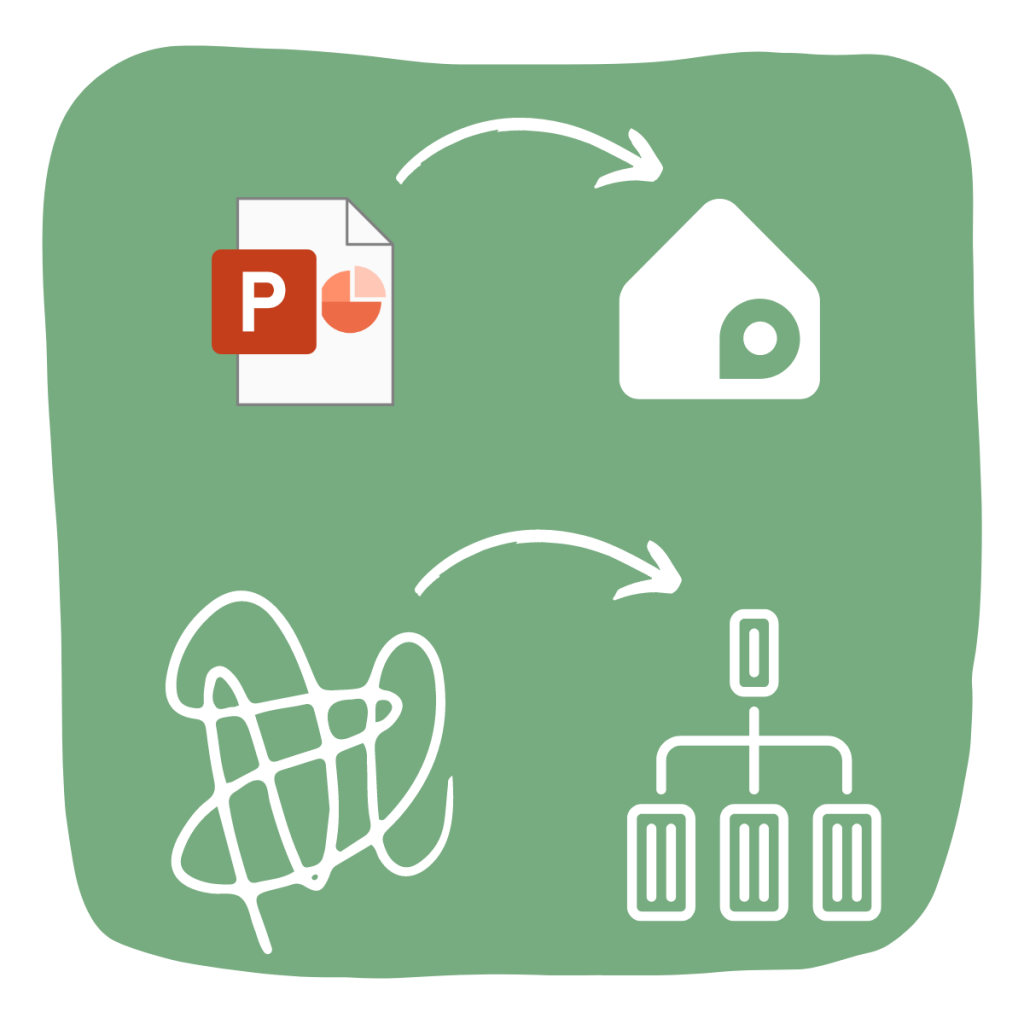
Using this feature, it becomes much simpler to transform existing documents, such as PowerPoint presentations or Word documents, into engaging, interactive Micro learning courses. What’s more, the integrated pedagogical AI takes care of much of the process, greatly reducing the need for specialist technical skills.
This allows teams to focus more on creating high-quality content and personalizing learning paths, rather than on the technical aspects of online course design. Ultimately, this saves valuable time and maximizes the efficiency of training content creation.

Improved learner satisfaction and performance
Improved learner satisfaction and performance are closely linked to the benefits of Micro learning LMSs, including enhanced engagement and optimized knowledge retention. By offering a flexible, engaging and personalized learning experience, Micro Learning Platforms
Micro learning meets learners’ post-training follow-up needs, helping to boost their satisfaction and overall performance.
First and foremost, by offering attractive, interactive content, Micro learning encourages learner engagement throughout their training course (8 times more than with traditional post-training materials). Features such as quizzes, videos and fun activities capture learners’ attention and encourage them to become actively involved in their learning. This immersion in content leads to more active participation and better assimilation of knowledge, resulting in a more satisfying learning experience.
What’s more, the concise, repetitive nature of microlearning helps to optimize learners’ retention of knowledge. By segmenting content into short modules and offering regular reviews, this approach reinforces the memorization and application of information. As a result, learners are better equipped to retain and apply the knowledge they have acquired, which translates into improved performance in their work or studies.
As a result, a satisfactory learning experience and improved knowledge retention translate into enhanced learner performance. Learners are more effective in applying the skills they have acquired, and are more likely to generate positive results for their organization or business. As a result, integrating microlearning into training courses helps to boost organizational efficiency and learner success.
Conclusion
In conclusion, the integration of a Micro learning platform into a long training course presents a modern and effective solution to today’s professional training needs. Flexible access to courses, the ease with which content can be created and customized, and the ability to monitor and evaluate learners’ progress in real time are all advantages that optimize training effectiveness.
By enabling learners to access courses at any time and from anywhere, Micro learning adapts to schedule and mobility constraints, offering a more flexible and accessible learning experience.
What’s more, the concise, interactive nature of content promotes better knowledge retention, while the personalization of learning paths ensures maximum relevance for each learner.
Finally, by facilitating the creation, management and updating of training content, Microlearning platforms such as MicroLMS enable training organizations to remain agile and responsive to changes in the job market, while offering high-quality training to their learners.
In short, integrating a Micro-learning platform into a long training course offers many advantages, from flexible access to courses to improved learner satisfaction and performance. These benefits contribute to optimizing training efficiency and meeting the evolving needs of the job market.

